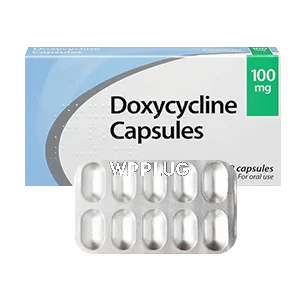
Doxycycline
Doxycycline: Potent Broad-Spectrum Antibiotic Treatment
Doxycycline is a versatile, second-generation tetracycline-class antibiotic renowned for its broad-spectrum efficacy against a wide array of bacterial pathogens and certain parasitic infections. As a bacteriostatic agent, it inhibits protein synthesis, effectively halting bacterial proliferation and allowing the host’s immune system to clear the infection. Its excellent tissue penetration, favorable pharmacokinetic profile, and dual oral/intravenous administration routes make it a cornerstone in both outpatient and inpatient therapeutic regimens. This medication is a critical first-line agent for numerous conditions, from common respiratory infections to complex zoonotic and vector-borne diseases.
Features
- Active Ingredient: Doxycycline (as doxycycline hyclate or doxycycline monohydrate)
- Drug Class: Tetracycline antibiotic
- Available Forms: Oral tablets, capsules, suspension; intravenous injection
- Mechanism of Action: Binds to the 30S ribosomal subunit, inhibiting bacterial protein synthesis
- Spectrum of Activity: Broad-spectrum, including Gram-positive, Gram-negative, atypical, and anaerobic bacteria, as well as certain protozoa
- Bioavailability: High oral bioavailability (>90%) not significantly affected by food (though administration guidelines should be followed)
Benefits
- Effectively treats a diverse range of bacterial infections, reducing the need for multiple antibiotics
- Demonstrates excellent penetration into tissues, cells, and body fluids, reaching infection sites effectively
- Convenient twice-daily or even once-daily dosing regimen for many indications, improving adherence
- Available in both oral and intravenous formulations, allowing for seamless transition from hospital to home care
- Proven efficacy in managing not just common infections but also complex diseases like Lyme disease, malaria prophylaxis, and anthrax exposure
- Generally well-tolerated profile with a long-established safety record across diverse patient populations
Common use
Doxycycline is indicated for the treatment of infections caused by susceptible strains of microorganisms. Common uses include respiratory tract infections such as pneumonia, bronchitis, and sinusitis caused by Streptococcus pneumoniae, Haemophilus influenzae, or Mycoplasma pneumoniae. It is a first-line treatment for sexually transmitted infections including chlamydia, gonorrhea (in combination therapy), and syphilis (as an alternative in penicillin-allergic patients). It is critically important in the management of tick-borne illnesses like Lyme disease (early stage), Rocky Mountain spotted fever, ehrlichiosis, and anaplasmosis. Doxycycline is also used for skin and soft tissue infections, acne vulgaris, pelvic inflammatory disease, and as prophylaxis against malaria in travelers to endemic regions. Its role in the treatment and prophylaxis of anthrax is also well-established.
Dosage and direction
Dosage varies significantly based on the infection being treated, patient age, renal function, and severity. For most adults with bacterial infections, the typical dose is 100 mg twice daily on the first day (loading dose), followed by 100 mg once daily or 50 mg twice daily. For severe infections, 100 mg every 12 hours may be maintained. For gonorrhea, a single 300 mg dose is sometimes used (in combination with another antibiotic). For malaria prophylaxis, the usual dose is 100 mg daily. For adolescent and adult acne, a dose of 50 mg to 100 mg daily is common.
Administration Directions: Oral tablets/capsules should be taken with a full glass of water to minimize the risk of esophageal irritation and ulceration. The patient should remain upright for at least 30 minutes after taking the dose. While the absorption of doxycycline is less affected by food and dairy products compared to other tetracyclines, it is generally recommended to take it on an empty stomach (1 hour before or 2 hours after meals) unless gastrointestinal upset occurs, in which case it may be taken with food (avoiding dairy, antacids, or iron supplements). The intravenous formulation is for slow infusion only, following proper dilution as per protocol.
Precautions
Patients should be advised to use sunscreen and wear protective clothing due to photosensitivity reactions (heightened sunburn risk). Doxycycline may cause dizziness; caution is advised when driving or operating machinery. It can cause esophageal irritation; ensure adequate fluid intake and upright posture during and after administration. As with all antibiotics, use may result in overgrowth of non-susceptible organisms, including fungi; monitor for signs of superinfection (e.g., oral thrush, vaginal candidiasis). Use during tooth development (last half of pregnancy, infancy, childhood up to age 8) can cause permanent discoloration of teeth (yellow-gray-brown) and enamel hypoplasia. It may cause an increase in BUN (blood urea nitrogen), which is usually dose-related and not clinically significant in patients with normal renal function.
Contraindications
Doxycycline is contraindicated in individuals with a known hypersensitivity to doxycycline, other tetracycline antibiotics, or any component of the formulation. Its use is contraindicated during pregnancy due to the risk of permanent tooth discoloration and inhibition of bone growth in the fetus. It is also contraindicated in infants and children under the age of 8 years (except for serious infections where no alternative therapy exists, such as for anthrax or Rocky Mountain spotted fever) for the same reasons of affecting bone and tooth development.
Possible side effect
The most common side effects involve the gastrointestinal system, including nausea, vomiting, diarrhea, epigastric distress, and anorexia. Photosensitivity, manifesting as an exaggerated sunburn reaction, is common. Less frequent side effects include glossitis, stomatitis, dysphagia, enterocolitis, and inflammatory lesions (with monilial overgrowth) in the anogenital region. Esophageal ulceration has been reported. Skin reactions like maculopapular and erythematous rashes, exfoliative dermatitis, and rarely, Stevens-Johnson syndrome can occur. Transient increases in liver enzymes have been observed. Intracranial hypertension (pseudotumor cerebri) is a rare but serious side effect, presenting with headache and blurred vision.
Drug interaction
Doxycycline interacts with several classes of medications. Antacids containing aluminum, calcium, or magnesium, iron preparations, bismuth subsalicylate, and zinc salts can significantly impair absorption; administer these agents 2-3 hours before or after doxycycline. Barbiturates, carbamazepine, and phenytoin can increase the metabolism of doxycycline, decreasing its serum levels. Doxycycline may potentiate the effect of warfarin and other oral anticoagulants by depressing plasma prothrombin activity, requiring close monitoring of INR. Concurrent use with retinoids (e.g., isotretinoin) may increase the risk of intracranial hypertension. It may interfere with the bactericidal action of penicillin and should not be administered concomitantly.
Missed dose
If a dose is missed, it should be taken as soon as it is remembered. However, if it is almost time for the next scheduled dose, the missed dose should be skipped, and the regular dosing schedule resumed. Patients should be instructed not to double the dose to make up for the missed one, as this increases the risk of side effects without significantly improving efficacy.
Overdose
Accidental overdose of doxycycline can lead to severe consequences. Symptoms may include severe nausea, vomiting, and diarrhea. Due to its effect on the liver, high doses can lead to hepatotoxicity. In cases of overdose, supportive care is the mainstay of treatment. Gastric lavage or induction of emesis may be considered if ingestion was recent. Activated charcoal may be administered to reduce absorption. Doxycycline is not effectively removed by hemodialysis. Management should be symptomatic and supportive, with particular attention to hydration and electrolyte balance.
Storage
Doxycycline should be stored at room temperature, between 20°C and 25°C (68°F and 77°F), in a tightly closed container. It must be protected from light, excessive moisture, and heat. The medication should be kept out of reach of children and pets. Do not store it in the bathroom or near the kitchen sink, where it could be exposed to dampness. Do not use the medication beyond the expiration date printed on the packaging.
Disclaimer
This information is for educational purposes only and is not a substitute for professional medical advice, diagnosis, or treatment. Always seek the advice of your physician or other qualified health provider with any questions you may have regarding a medical condition or before starting any new treatment. Never disregard professional medical advice or delay in seeking it because of something you have read here. The information provided is not exhaustive and may not cover all possible uses, directions, precautions, interactions, or adverse effects.
Reviews
“Doxycycline has been a reliable workhorse in our infectious disease department for decades. Its broad spectrum and excellent tissue penetration make it invaluable for treating everything from community-acquired pneumonia to complicated tick-borne illnesses. The twice-daily dosing is manageable for most patients.” – Infectious Disease Specialist, 15 years experience
“As a dermatologist, I frequently prescribe low-dose doxycycline for its anti-inflammatory properties in managing moderate to severe inflammatory acne. The results are often excellent, and patients appreciate the improvement. We are always vigilant about counseling on sun protection due to the photosensitivity risk.” – Board-Certified Dermatologist
“I was prescribed doxycycline for Lyme disease after a tick bite. The treatment was straightforward, and I experienced no significant side effects aside from some mild stomach upset if I didn’t take it with a small snack. Follow-up testing confirmed the infection was cleared.” – Patient, 42
“While effective, we must be increasingly mindful of resistance patterns, particularly in STI treatment. We often use it in combination therapy for gonorrhea. Its role in prophylaxis, like for malaria, is also crucial for traveler’s health.” – Travel Medicine Physician