Bactroban Ointment 5g: Topical Antibiotic for Skin Infection Relief
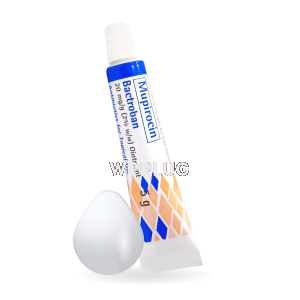
Bactroban Ointment 5g
| Product dosage: 20mg | |||
|---|---|---|---|
| Package (num) | Per tube | Price | Buy |
| 2 | $27.50 | $55.00 (0%) | 🛒 Add to cart |
| 3 | $25.00 | $82.50 $75.00 (9%) | 🛒 Add to cart |
| 4 | $23.75 | $110.00 $95.00 (14%) | 🛒 Add to cart |
| 5 | $23.00 | $137.50 $115.00 (16%) | 🛒 Add to cart |
| 6 | $22.50 | $165.00 $135.00 (18%) | 🛒 Add to cart |
| 7 | $22.14 | $192.50 $155.00 (19%) | 🛒 Add to cart |
| 8 | $21.88 | $220.00 $175.00 (20%) | 🛒 Add to cart |
| 9 | $21.11 | $247.50 $190.00 (23%) | 🛒 Add to cart |
| 10 | $20.00
Best per tube | $275.00 $200.00 (27%) | 🛒 Add to cart |
Synonyms | |||
Bactroban Ointment 5g contains mupirocin, a potent antibiotic specifically formulated for topical application to treat bacterial skin infections. It is indicated for primary infections like impetigo as well as secondary infected traumatic lesions. This prescription medication works by inhibiting bacterial protein synthesis, effectively eliminating susceptible strains of Staphylococcus aureus and Streptococcus pyogenes. Clinical use demonstrates high efficacy with a favorable safety profile when applied as directed by healthcare professionals.
Features
- Contains 2% mupirocin calcium in a white, petrolatum-based ointment
- Available in 5g single-use tube for precise dosing and contamination prevention
- Bactericidal action against gram-positive bacteria including MRSA
- Water-insoluble base provides occlusive properties for enhanced drug delivery
- Sterile formulation with pH balanced for skin compatibility
- Prescription-only medication requiring professional diagnosis
Benefits
- Rapidly eliminates causative bacteria at the infection site within days of initiation
- Reduces risk of infection spreading to deeper tissues or other body areas
- Minimizes systemic antibiotic exposure through targeted topical application
- Helps prevent recurrence when used as part of complete treatment regimen
- Supports natural healing process by controlling bacterial load in wounds
- Convenient twice-daily application fits easily into patient care routines
Common use
Bactroban Ointment is primarily prescribed for the treatment of impetigo, a contagious bacterial skin infection characterized by honey-colored crusted lesions. It is also effectively used for secondary infected dermatoses, including infected eczema, infected traumatic lesions such as lacerations and abrasions, and surgical wound infections. The ointment is particularly valuable in cases where Staphylococcus aureus (including methicillin-resistant strains) or beta-hemolytic streptococci are identified or suspected as the causative organisms. Healthcare providers may also consider it for nasal decolonization of MRSA carriers in specific clinical situations, though this represents an off-label use.
Dosage and direction
Apply a small amount of ointment to the affected area three times daily for up to 10 days, unless otherwise directed by a healthcare provider. The area may be covered with a gauze dressing if desired. Wash hands before and after application. For impetigo: gently remove crusted areas before application to enhance medication penetration. For nasal use in decolonization: apply half the tube contents to each nostril twice daily for 5 days. The total treatment duration should not exceed 10 days without medical reevaluation. Complete the full course of treatment even if symptoms improve earlier.
Precautions
Use only as directed by a physician for diagnosed bacterial infections. Avoid contact with eyes, nose, mouth, and other mucous membranes. Do not use on large body areas, extensive burns, or deep puncture wounds without medical supervision. Discontinue use and consult a physician if irritation, rash, or allergic reaction develops. Not for ophthalmic use. Use with caution in patients with moderate or severe renal impairment. Prolonged use may result in overgrowth of nonsusceptible organisms, including fungi. Not recommended for use in children under 3 months of age unless specifically prescribed.
Contraindications
Hypersensitivity to mupirocin or any component of the formulation. Contraindicated in patients with known hypersensitivity to polyethylene glycol, which is present in the ointment base. Should not be used for the treatment of non-bacterial skin conditions, including viral infections (herpes simplex, varicella) and fungal infections. Not indicated for the treatment of leg ulcers, diabetic foot ulcers, or pressure sores without confirmed bacterial infection and professional guidance.
Possible side effects
Most common side effects include application site reactions such as burning, stinging, or pain (≤1.5%). Less frequently reported effects include itching (≤1%), rash (≤1%), nausea (≤1%), and dry skin. Rare cases of generalized allergic reactions including urticaria, angioedema, and anaphylaxis have been reported. Systemic absorption is minimal with topical application, but with prolonged use on large areas, systemic effects similar to other antibiotics may theoretically occur. Contact dermatitis may develop in sensitive individuals.
Drug interaction
Formal drug interaction studies have not been conducted with topical mupirocin. However, concurrent use with other topical products applied to the same area may cause physical or chemical interactions. Avoid simultaneous application with other topical medications unless directed by a physician. The ointment base may interact with certain dressing materials, potentially reducing efficacy or causing product breakdown. No clinically significant interactions with systemically administered drugs have been reported, though caution is advised with other antibiotic therapies.
Missed dose
Apply the missed dose as soon as remembered, unless it is almost time for the next scheduled application. Do not double the dose to make up for a missed application. Maintain the regular application schedule. If multiple doses are missed or uncertainty exists about proper application, consult a healthcare provider for guidance. Consistent application is important for therapeutic efficacy, but single missed doses are unlikely to significantly impact overall treatment outcome.
Overdose
Topical overdose is unlikely due to minimal systemic absorption. However, excessive application could potentially lead to increased local adverse effects including severe irritation, redness, and discomfort. Accidental ingestion may cause gastrointestinal effects such as nausea and diarrhea. In case of accidental ingestion, seek medical attention if large quantities are consumed. There is no specific antidote for mupirocin overdose; treatment should be symptomatic and supportive. Dialysis is not expected to enhance elimination due to high protein binding.
Storage
Store at controlled room temperature between 20°C to 25°C (68°F to 77°F). Excursions permitted to 15°C to 30°C (59°F to 86°F). Keep tube tightly closed when not in use. Protect from excessive heat and direct sunlight. Do not freeze. Keep out of reach of children and pets. Discard any unused medication after completing the treatment course. Do not transfer ointment to other containers as this may compromise sterility and stability.
Disclaimer
This information is provided for educational purposes only and does not constitute medical advice. Always consult with a qualified healthcare professional before using any medication. The prescribing physician should be informed of complete medical history, current medications, and any allergies. Individual results may vary based on specific clinical circumstances. Proper diagnosis by a healthcare provider is essential before initiating treatment.
Reviews
Clinical studies demonstrate Bactroban Ointment achieves clinical success rates of 85-95% in impetigo patients when used as directed. Dermatologists consistently report high satisfaction with its efficacy against gram-positive organisms, particularly noting its value in community-acquired MRSA infections. Patients appreciate the minimal systemic side effects compared to oral antibiotics. Some users report mild application site reactions that typically resolve with continued use. Healthcare providers emphasize the importance of completing the full course to prevent resistance development.