Alli
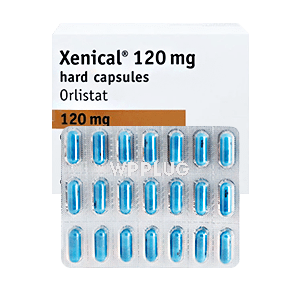
Alli (Orlistat) is the only FDA approved weight loss product,that can help losing about 50% more weight than with just dieting alone.
| Product dosage: 60mg | |||
|---|---|---|---|
| Package (num) | Per pill | Price | Buy |
| 30 | $1.37 | $41.00 (0%) | 🛒 Add to cart |
| 60 | $1.10 | $82.00 $66.00 (20%) | 🛒 Add to cart |
| 90 | $1.01 | $123.00 $91.00 (26%) | 🛒 Add to cart |
| 120 | $0.97 | $164.00 $117.00 (29%) | 🛒 Add to cart |
| 180 | $0.93 | $246.00 $168.00 (32%) | 🛒 Add to cart |
| 270 | $0.90 | $369.00 $243.00 (34%) | 🛒 Add to cart |
| 360 | $0.88
Best per pill | $492.00 $317.00 (36%) | 🛒 Add to cart |
Synonyms | |||
More info:
Ciloxan Ophthalmic Solution for Effective Bacterial Eye Infection Control
Ciloxan (ciprofloxacin hydrochloride ophthalmic solution) 0.3% is a sterile, antimicrobial topical solution formulated for the treatment of ocular infections caused by susceptible strains of microorganisms. As a fluoroquinolone antibiotic, it offers potent bactericidal activity against a broad spectrum of gram-positive and gram-negative bacteria. Its optimized formulation ensures high corneal penetration and sustained therapeutic levels at the site of infection, making it a first-line choice for ophthalmologists and optometrists in managing bacterial conjunctivitis and corneal ulcers.
Clindamycin: Potent Antibiotic for Serious Bacterial Infections
Clindamycin is a lincosamide-class antibiotic prescribed for the treatment of a wide spectrum of serious anaerobic and aerobic gram-positive bacterial infections. Its mechanism of action involves binding to the 50S ribosomal subunit of susceptible bacteria, inhibiting protein synthesis and leading to bacteriostatic or bactericidal effects depending on the organism and drug concentration. This makes it a critical agent in managing skin and soft tissue infections, intra-abdominal infections, and bone/joint infections, particularly where penicillin is not an option.
Flagyl ER: Effective Extended-Release Treatment for Bacterial Infections
Flagyl ER (metronidazole extended-release) is a prescription antimicrobial medication designed to provide sustained, effective therapy for a range of serious bacterial and parasitic infections. Its advanced extended-release formulation ensures consistent drug levels in the bloodstream, enhancing therapeutic outcomes while potentially improving patient adherence. This medication is specifically indicated for the treatment of bacterial vaginosis in adult women and is valued in clinical practice for its targeted action against anaerobic organisms and certain protozoa.
Nitrofurantoin: Effective Treatment for Urinary Tract Infections
Nitrofurantoin is a prescription antibacterial medication specifically indicated for the treatment and prophylaxis of uncomplicated urinary tract infections (UTIs) caused by susceptible strains of Escherichia coli, Enterococcus faercium, Staphylococcus saprophyticus, Enterobacter species, and Klebsiella species. As a nitrofuran derivative, it exerts its bactericidal effect by interfering with bacterial enzyme systems, including acetyl coenzyme A, thereby inhibiting bacterial cell wall synthesis, carbohydrate metabolism, DNA and RNA formation, and other vital processes. Its unique pharmacokinetic profile results in high concentrations in the urine and renal tissue, with minimal systemic absorption, making it an ideal agent for targeting pathogens within the urinary tract while limiting broader ecological impact.
Secnidazole: Effective Single-Dose Treatment for Bacterial Vaginosis
Secnidazole is a next-generation nitroimidazole antimicrobial agent specifically designed for the treatment of bacterial vaginosis in adult women. It offers a potent, targeted approach against anaerobic bacteria and protozoa, with a pharmacokinetic profile that supports single-dose oral administration. This medication represents a significant advancement in convenience and adherence over multi-day regimens, providing sustained therapeutic concentrations with minimal dosing frequency. Its structural properties enhance stability and reduce potential side effects commonly associated with older agents in its class.
Tinidazole: Effective Treatment for Protozoal and Bacterial Infections
Tinidazole is a second-generation nitroimidazole antimicrobial agent with potent activity against a broad spectrum of anaerobic bacteria and protozoa. It is structurally related to metronidazole but offers superior pharmacokinetic properties, including a longer half-life that allows for less frequent dosing and potentially improved patient compliance. Clinically, it is indicated for the management of various infections caused by susceptible organisms, providing a reliable therapeutic option in both outpatient and inpatient settings. Its mechanism of action involves the disruption of DNA synthesis within microbial cells, leading to cell death.
Amoxil: Effective Bacterial Infection Treatment with Amoxicillin
Amoxil is a widely prescribed antibiotic medication containing the active ingredient amoxicillin, a penicillin-class antibiotic. It is designed to combat a broad spectrum of bacterial infections by inhibiting the growth of bacteria and preventing them from forming cell walls. Trusted by healthcare professionals globally, Amoxil offers a reliable solution for both adults and children suffering from common to moderate bacterial conditions. Its well-established efficacy and safety profile make it a first-line treatment in numerous clinical scenarios.
Amoxil: Potent Antibiotic for Effective Bacterial Infection Treatment
Amoxil, known generically as amoxicillin, is a broad-spectrum penicillin-class antibiotic designed to combat a wide range of bacterial infections. It functions by inhibiting the synthesis of bacterial cell walls, leading to the eradication of susceptible organisms. This medication is widely prescribed due to its efficacy, favorable safety profile, and reliable absorption when administered orally. Healthcare professionals trust Amoxil for both common and complex infections, making it a cornerstone in antibacterial therapy.
Ampicillin: Broad-Spectrum Antibiotic for Effective Bacterial Infection Control
Ampicillin is a broad-spectrum aminopenicillin antibiotic belonging to the beta-lactam class, widely utilized in clinical practice for its efficacy against a diverse range of gram-positive and gram-negative bacteria. It functions by inhibiting bacterial cell wall synthesis, leading to osmotic instability and eventual cell lysis. This bactericidal agent is particularly valuable in treating respiratory, urinary, gastrointestinal, and meningeal infections, and remains a cornerstone in empiric and targeted antimicrobial therapy. Its well-established pharmacokinetic profile and generally favorable safety record make it a first-line option in both inpatient and outpatient settings.